Stones from Space: Discover Meteorites and Their Journey
Overview
Meteorites are fascinating celestial objects that provide insight into the solar system's formation and hold historical and scientific significance. This blog explores their origins, types, journey to Earth, and the growing popularity of meteorite collecting, offering tips for starting and preserving a collection. Each meteorite is a unique piece of cosmic history, inspiring curiosity about the universe.
Frequently Asked Questions
1. What are meteorites?
2. What types of meteorites exist?
3. How do meteorites travel to Earth?
4. What is the significance of meteorites in scientific research?
5. How can I start collecting meteorites?
Meteorites have long fascinated humanity with their otherworldly origins and unique compositions. As natural wonders that have traveled vast distances through the universe, these celestial objects hold secrets to the formation of our solar system and beyond. In this blog post, we will explore the origin of meteorites, their journey to Earth, and the reasons why they make compelling collectibles and conversation pieces. Join us on a cosmic journey that unearths the mystery behind these stellar stones.
Understanding Meteorites: What Are They?
Meteorites are fragments of asteroids, planets, or other celestial bodies that survive their fiery descent through Earth’s atmosphere and land on the surface. They come in several types, each categorized based on their chemical composition and origin:
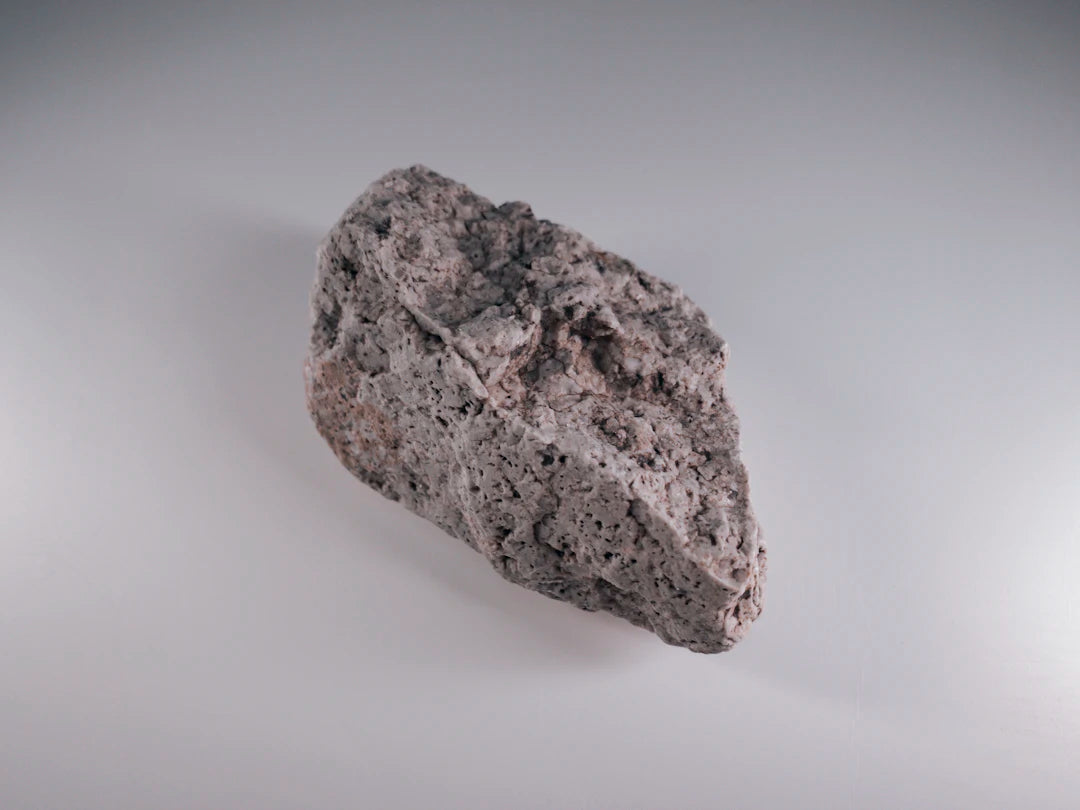
- Stony Meteorites: Comprising around 94% of all meteorites, these contain silicate minerals and resemble common rocks.
- Iron Meteorites: Composed mainly of iron and nickel, these are denser and metallic in nature, often featuring a distinctive crystalline structure known as Widmanstätten patterns.
- Stony-Iron Meteorites: A rare mix of both stony and metallic components, these provide a unique glimpse into the dynamics of planetary formation.
The Journey Begins: From Space to Earth
The fascinating journey of meteorites starts in the depths of space. They are primarily derived from the asteroid belt, located between Mars and Jupiter. Here, colliding celestial bodies can break apart into smaller fragments, some of which are ejected into space. These fragments can travel billions of miles, floating in the void of space, until they encounter a gravitational pull that draws them toward a planet.
The Conversion from Asteroid to Meteorite
When a fragment enters Earth's atmosphere, it faces extreme conditions. The piece rapidly accelerates, generating immense heat due to friction with the atmosphere. Most meteoroids burn up completely, creating bright streaks of light that observers see as meteors. These are commonly referred to as “shooting stars.” However, a lucky few manage to survive this intense journey, landing on Earth as meteorites.
Historical Significance of Meteorites
Meteorites have not only captivated scientists, but they have also played significant roles in human history and culture. Civilizations have attributed spiritual significance to fallen stones from the heavens. Ancient cultures often viewed meteorites as omens or messages from the gods. Here are some notable examples:
- The Hoba Meteorite: Found in Namibia, it is the largest meteorite ever discovered. Weighing over 60 tons, this stony-iron meteorite has been a source of intrigue since its discovery in 1920.
- The Gibeon Meteorite: This iron meteorite has a rich history, having come to Earth approximately 4,000 years ago. The Gibeon meteorite was widely used for creating jewelry and tools by indigenous people in Namibia.
- Kaaba Black Stone: Located within the Kaaba in Mecca, this ancient stone is widely believed to be a meteorite and holds great significance in Islamic tradition.
Scientific Importance of Meteorites
Meteorites serve as invaluable scientific resources. Through analysis, scientists can gain insights into the early solar system's building blocks, the formation of planets, and even the origin of organic materials crucial for life. Here are a few ways meteorites contribute to scientific advancement:
- Age Dating: Dating techniques can be applied to meteorites, allowing researchers to estimate the age of the solar system itself, estimated to be about 4.6 billion years.
- Biological Insights: Studies on meteorites like the Murchison meteorite have revealed the presence of amino acids, crucial elements for the formation of life. This fuels ongoing discussions about life beyond Earth.
- Planetary Formation: The materials in certain meteorites are believed to be remnants from protoplanetary bodies, giving insights into the conditions present during their formation.
How Meteorites Are Studied
Various techniques play a role in examining meteorites for their chemical and isotopic composition. Researchers might employ:
- X-ray Diffraction: Used for identifying mineral types.
- Mass Spectrometry: Helps determine isotopic ratios and trace elements.
- Scanning Electron Microscopy: Provides detailed images and analyses of mineral structures.
The Meteorite Collecting Craze
The fascination with meteorites has grown tremendously over recent years, leading to an enthusiastic collecting community. Collectors predominantly choose meteorites for their unique appearance and historical significance. However, the trend goes beyond mere assemblage; many collectors appreciate the narratives and science behind them. Here’s why meteorite collecting has become a favorite hobby:
Unique Aesthetic Appeal
Meteorites present visually striking features. The fusion crust, formed during atmospheric entry, gives them a glossy black outer layer, while interior characteristics can vary from intriguing metal patterns to vibrant colorations. Their unique aesthetics make them excellent conversation starters and can complement a variety of decor styles.
Connection to the Universe
Owning a meteorite provides a tangible link to the universe. Many collectors find joy in knowing they possess a piece of celestial history, an artifact from the cosmos that is millions or even billions of years old. This connection often inspires a deeper appreciation for astronomy and the mysteries of space.
How to Start Your Meteorite Collection
If you’re excited about embarking on your journey into the cosmic realm of meteorite collecting, here are some steps to get you started:
- Research: Learn about different types of meteorites and what to look for in a specimen. Consider joining online forums, reading books, or following experts in the field.
- Find Reputable Sellers: Purchase from trustworthy dealers or auction sites specializing in meteorites. Look for documentation and authenticity certificates to ensure you are buying genuine specimens.
- Start Small: Begin your collection with smaller or less expensive meteorites before investing in rarer and more costly pieces.
- Display Thoughtfully: Showcase your meteorites in a way that highlights their beauty while providing information about their origins.
Preserving Your Meteorite Collection
Once you begin to collect meteorites, it's crucial to maintain their condition and integrity. Here are some tips for preserving your treasures:
- Keep Them Dry: Protect meteorites from moisture, as it can cause rusting or degradation, especially for iron meteorites.
- Avoid Direct Sunlight: Prolonged exposure to sunlight can alter colors, especially in stony meteorites. Store them in a shaded area.
- Use Proper Display Cases: Invest in display cases that can shield your meteorites from dust and physical damage. Consider cases with UV-protective glass.
Wrapping Up a Cosmic Adventure
Exploring the world of meteorites allows us to connect with the wonders of outer space. Each meteorite carries with it a story of interstellar travel, an eventful journey across the cosmos, and a hint of the origins of our planet. The quest for collecting and studying these celestial stones not only enriches our understanding of the universe but also ignites a sense of wonder in our everyday lives. As you delve into the impressive diversity of meteorites, you may find yourself inspired by the mysteries they hold. Happy collecting, and may you always look to the stars!